

# Liver: Functions, Location, Common Diseases, and Ways to Keep It Healthy
What Is the Liver?
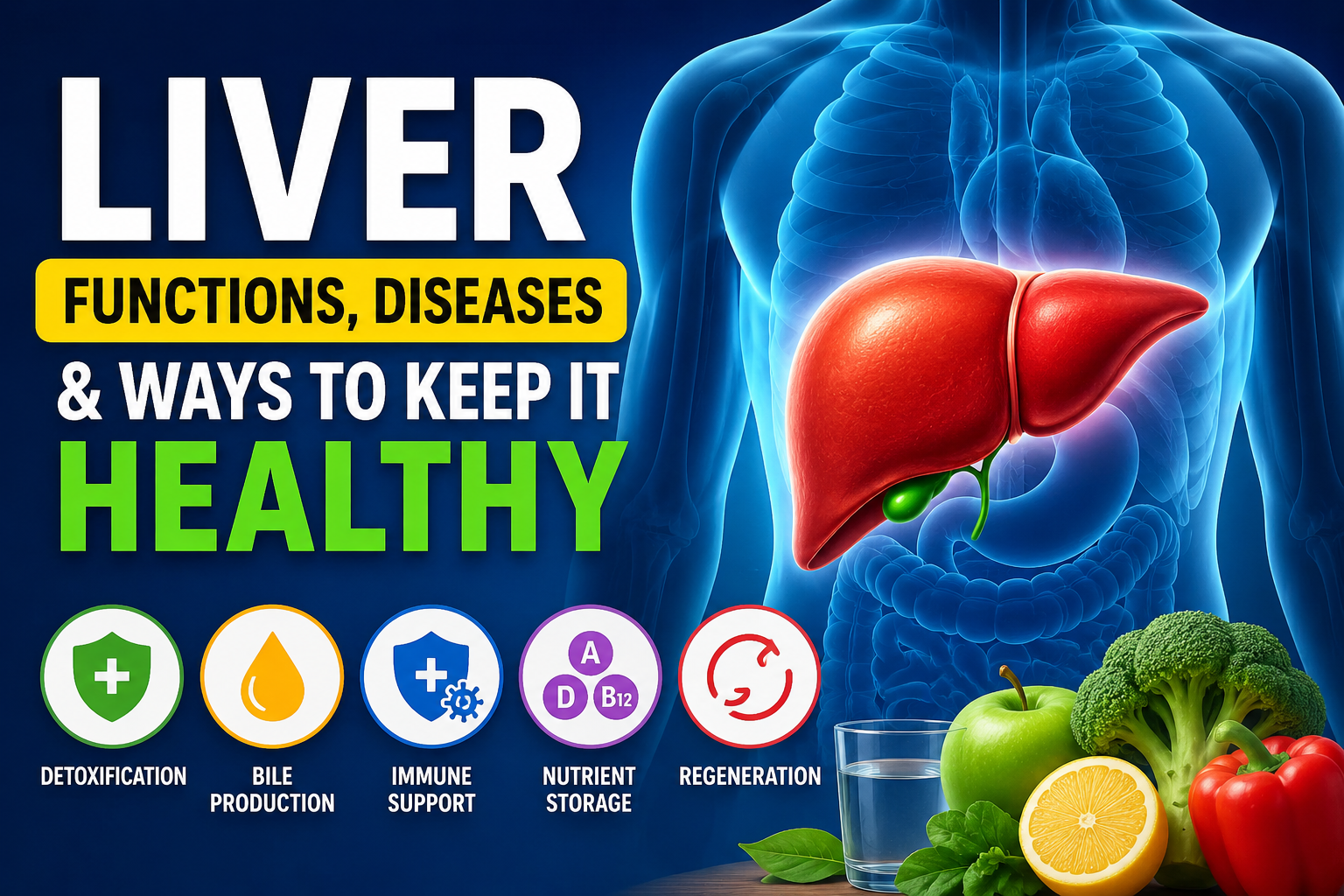
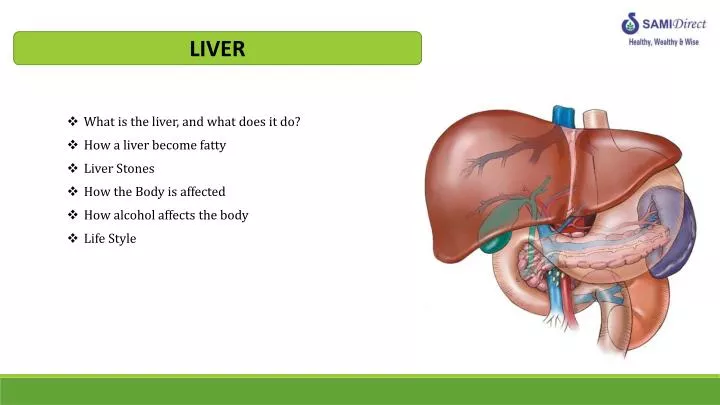
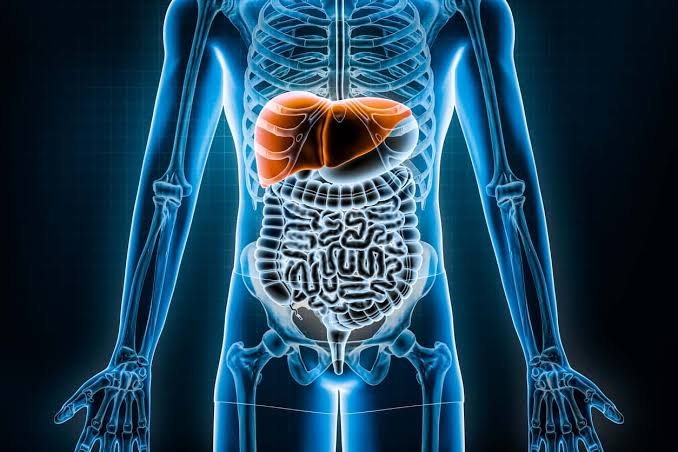
It is located in the upper right side of the abdomen, just beneath the rib cage. The liver performs hundreds of essential functions, including processing nutrients, removing toxins, storing vitamins, producing bile, and supporting the immune system. One of its most remarkable features is its ability to regenerate after partial damage.
Main Functions of the Liver
1. Food Processing
The liver processes proteins, carbohydrates, and fats obtained from food. It converts excess glucose into glycogen, which is stored and later used as an energy source when the body needs it.
2. Bile Production
Bile helps break down fats, allowing the body to digest and absorb them efficiently. Without bile, fat digestion becomes difficult.
3. Storage of Vitamins and Minerals
The liver stores essential nutrients, including Vitamins A, D, B12, K, and iron. These nutrients are released into the bloodstream whenever the body requires them.
4. Immune System Support
Specialized immune cells in the liver filter the blood and destroy many harmful microorganisms before they can cause disease.
5. Blood Detoxification
The liver filters toxins, medications, alcohol, and waste products from the blood. It also processes bilirubin, a substance produced during the breakdown of red blood cells. If bilirubin accumulates, it can lead to jaundice.
Where Is the Liver Located?
The liver is situated in the upper right section of the abdomen beneath the diaphragm and protected by the lower ribs. In adults, it typically weighs between 1.2 and 1.8 kilograms, making it the body’s largest internal organ.
Hepatitis is inflammation of the liver caused by viruses, excessive alcohol consumption, certain medications, or autoimmune disorders. The most common types include:
* Hepatitis A
* Hepatitis B
* Hepatitis C
* Hepatitis D
* Hepatitis E
Chronic Hepatitis B and C can lead to liver scarring (cirrhosis), liver failure, or even liver cancer if left untreated.
Fatty Liver Disease
Fatty liver disease occurs when excess fat builds up in liver cells. Common risk factors include obesity, diabetes, poor diet, lack of physical activity, and excessive alcohol consumption.
In its early stages, fatty liver disease is often reversible through weight management, regular exercise, healthy eating habits, and lifestyle changes.
How to Keep Your Liver Healthy
* Eat a balanced and nutritious diet.
* Exercise regularly.
* Maintain a healthy body weight.
* Avoid unnecessary medications and harmful substances.
* Get vaccinated against Hepatitis B.
* Drink clean water and maintain good hygiene.
* Schedule regular medical check-ups if you have risk factors.
Conclusion
It supports digestion, stores essential nutrients, removes toxins, strengthens the immune system, and regulates many metabolic processes